
How big and powerful is SpaceX's Starship rocket?
Engadget explains Starship's size, thrust and fuel load, and why NASA's Moon plans still depend on refuelling the lander in Earth orbit.
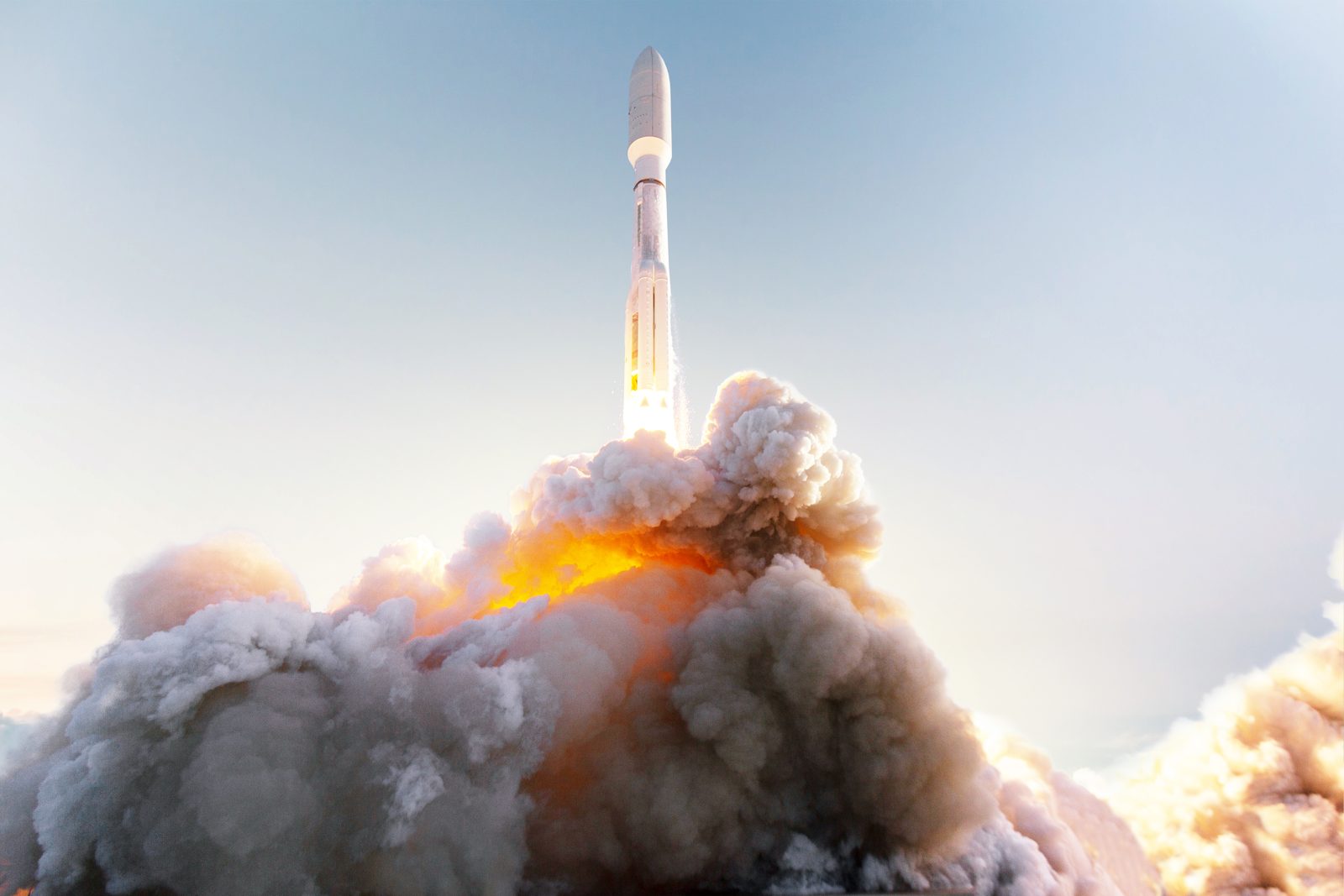
The facts
- Stacked, Starship stands at 407 feet: a 236.2-foot Super Heavy booster plus a 170.6-foot upper stage, according to Engadget.
- The booster has 33 Raptor engines and 18.1 million pounds-force of liftoff thrust. NASA's SLS makes 8.8 million to 9.4 million pounds at maximum.
- Super Heavy has a listed propellant capacity of 3,650 metric tons and Starship holds 1,600 metric tons more, so 5,250 metric tons in total.
- For NASA's lunar missions, the lander must be refuelled in Earth orbit by tanker Starships, using a propellant depot launched first.
Case notes · Danny's take

Why it matters
Size is the headline, but fuel is the real story. Even the most powerful rocket ever flown cannot reach the Moon on one tank. The plan depends on a chain of launches, a depot and tankers all working in order. Each link is a point of failure, and that is where the real risk sits.
For builders
Moving and storing very cold propellant in orbit is called out as a hard technical challenge. Anyone building in space hardware, sensors or software for orbital operations should watch how the refuelling steps are handled, because that is where the work and the risk sit.
Not financial advice. Do your own investigation.
This story was summarised with AI from Engadget's reporting and checked against our editorial policy. Danny's take reflects his views. Disclaimer.

Danny Walter
Founder of Moon Republic, Volt Terminal and Moon Republic Academy. Author of The Market Is a Crime Scene and After the Applause.